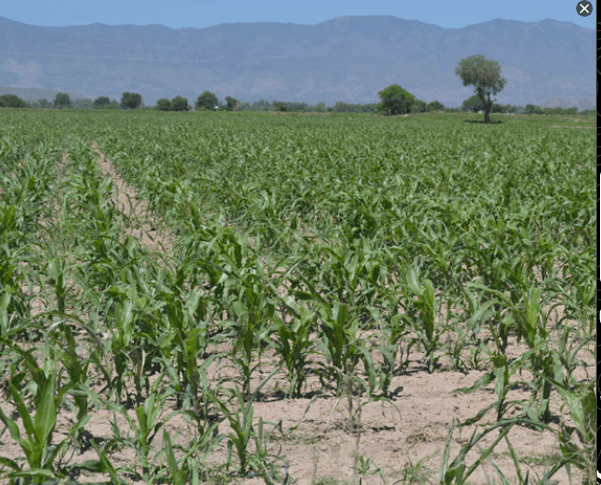
Michoacán is an agricultural state. If you’re eating an avocado in the US, it likely came from Michoacán, the only state authorized to export them to the US. In February, right before the super bowl-of-guacamole weekend, avocado imports were stopped because cartel gangs threatened US ag inspectors.
The ban lasted only a week, and some here saw it as a politico-economic move, but everyone knows, sees, and lives with the daily impacts of cartel violence on food and farming. Cartel violence that ties directly to US issues: guns (flowing south from the US), drugs (flowing north to the US), and migration — people fleeing and leaving their farms behind.
Uruapan — about 70 miles southwest of Morelia, where I live — is the heart of avocado country, an : 75% of the avocados exported to the US come from Michoacán. It’s a nearly $3 billion dollar business that the cartels want their hands on, triggering violence that’s escalated from extortion of producers to turf wars, homicides, threats, kidnappings, blockades, and theft of harvests. It’s not just avocados. Over the last three years, large expanses of pastureland, along with lime and other citrus orchards, have been abandoned, and farmers have fled. In just the last few months, losses to lime, rice, corn, and sugar cane producers reached 240 million pesos (11 million dollars).
The damages go beyond immediate crop losses, and reach across borders. Even if some semblance of calm is restored, bringing idled land back into production is beyond the means of many small farmers. Small holders who give up their land — or have it taken from them — lose any opportunity to earn a living. Help is hard to come by. Headlines today announced that the government was giving up on trying to reach farmers with their Sembrando Vida support program in sections of the state due to persisting, extreme violence, including the assassination of local officials and land-mining agricultural fields.
Small holders, the food producers supplying the region, become desperate migrants. Like others displaced by war, they’ve lost everything, with no choice but to become refugees, migrants in search of safety and work, a place to raise their children without constant fear.
It’s worth noting that these refugees, fleeing wars played out over agricultural land and crops, have little chance of qualifying for asylum in the US.
 Uprooted
Leave a comment