In ag school, I learned big ag — and the science and technology behind it — would feed the world, eliminate famines and end malnutrition. Once I graduated and ran a small farm myself, once I left the US and looked at smallholder food systems elsewhere, I learned otherwise. Big ag has been in tension with food production — and food producers — for hundred of years, since the days of slavery and plantations. And still, the world is not fed.
Uprooted: Journeys at the crossroads of food and ag looks at agriculture from the human side

The mantra was get big or get out. We’re learning more about damages from get big: climate change, species loss, diet-related diseases, soil degradation, polluted waterways. We look less at the get out side: what happens on the human level as big ag rolls over local food production, and small-scale producers are driven out. Please follow my blog, Field and Food.
Just keep the public markets going strong
We need public markets now, more than ever Markets have been in the news lately, in this…
Keep readingEscalating U.S.-Mexico Debate over Corn Forces Questions about GMOs, Food Sovereignty
Here’s a link to an excellent article in Food Print. It covers the issues and nuances in…
Keep readingIndustrial, corporate agriculture is part of a global business system of extracting, manufacturing, marketing, selling, and distributing profitable, usually edible, products drawn from natural resources – water, sun, soil, air – and biological components, like plants and animals.
Smaller scale, local and regionally oriented food production is about making a living, yes. But producers, production, and selling are enmeshed in local webs of markets, communities, environments, history and tradition, gender, religion, health, power and politics.
Corporate ag now dominates food systems everywhere, uprooting smallholders, forcing off-farm migration of millions, and leaving communities with declining health, deteriorated natural resources, and greater food insecurity.
“The cost of corporate [agricultural] totalitarianism in energy, land, and social disruption will be enormous… maintenance will entirely give way to production, the fertility of the soil will become a limited, unrenewable resource…It will be done in the name of the starving millions..”
“What we have called agricultural progress has, in fact, involved the forcible displacement of millions of people.“ Wendell Berry, 1977
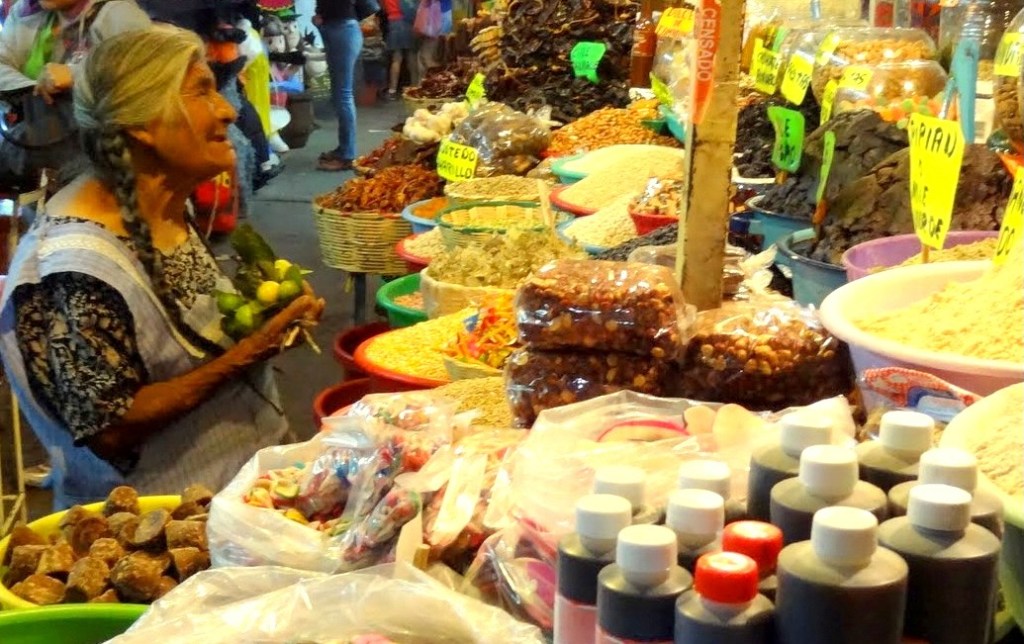
Moving to healthy food and healthy environments for all won’t happen by providing big ag with better science or greener technology — though both can help. Food security, nutrition, resilience, and environmental repair and sustainability require development and support of robust, equitable, diverse food systems, economies, and communities.
Browse Uprooted for stories showing how agriculture and food production are more than scientific, technical matters. And why food security, food justice, and feeding the world demand much more than science alone.
Pages under construction, slowly being populated

From animal scientist, to raising, slaughtering, and eating animals I named, to becoming an eco-vegetarian, I’m still grappling with contradictions and questions
Big Ag, Backtime
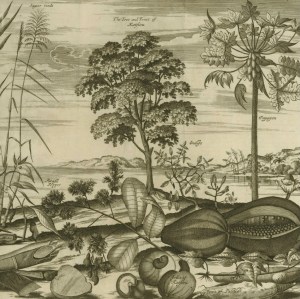
Working with smallholders on Nevis, in the West Indies, I saw the devastating reach of industrial farming and food imperialism, beginning 350 years ago.
 Uprooted