In the US vs Mexico GMO corn tussle, USA team GMO wields “scientifically based” as a cudgel to beat back other arguments. AMLO policies, says USA, are “not based on science,” claims about health are “spurious” with “no scientific basis.” “[Mexico’s] decisions need to be based on science – and this is not.” Although the pending ban is about corn, USA dairy folks are jumping all in for science. “Obrador keeps talking about health for Mexican consumers without any scientific basis…We care about our colleagues in corn, but we also care about science-based decisions.”[1]
Which science for what?
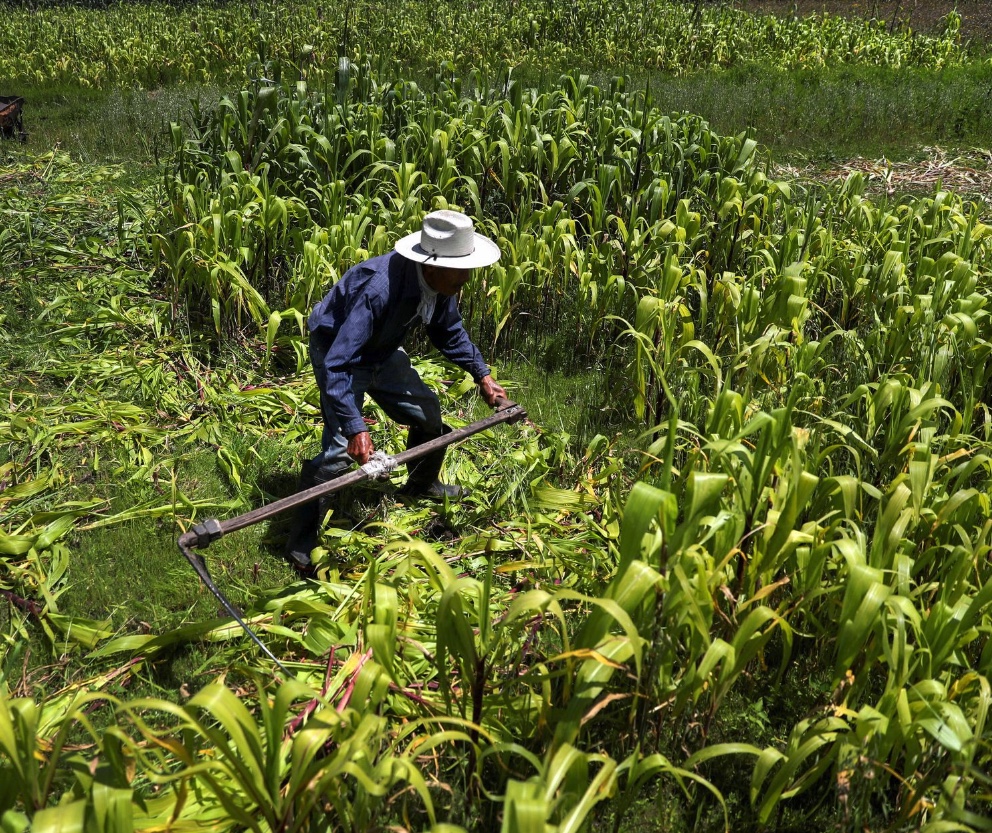
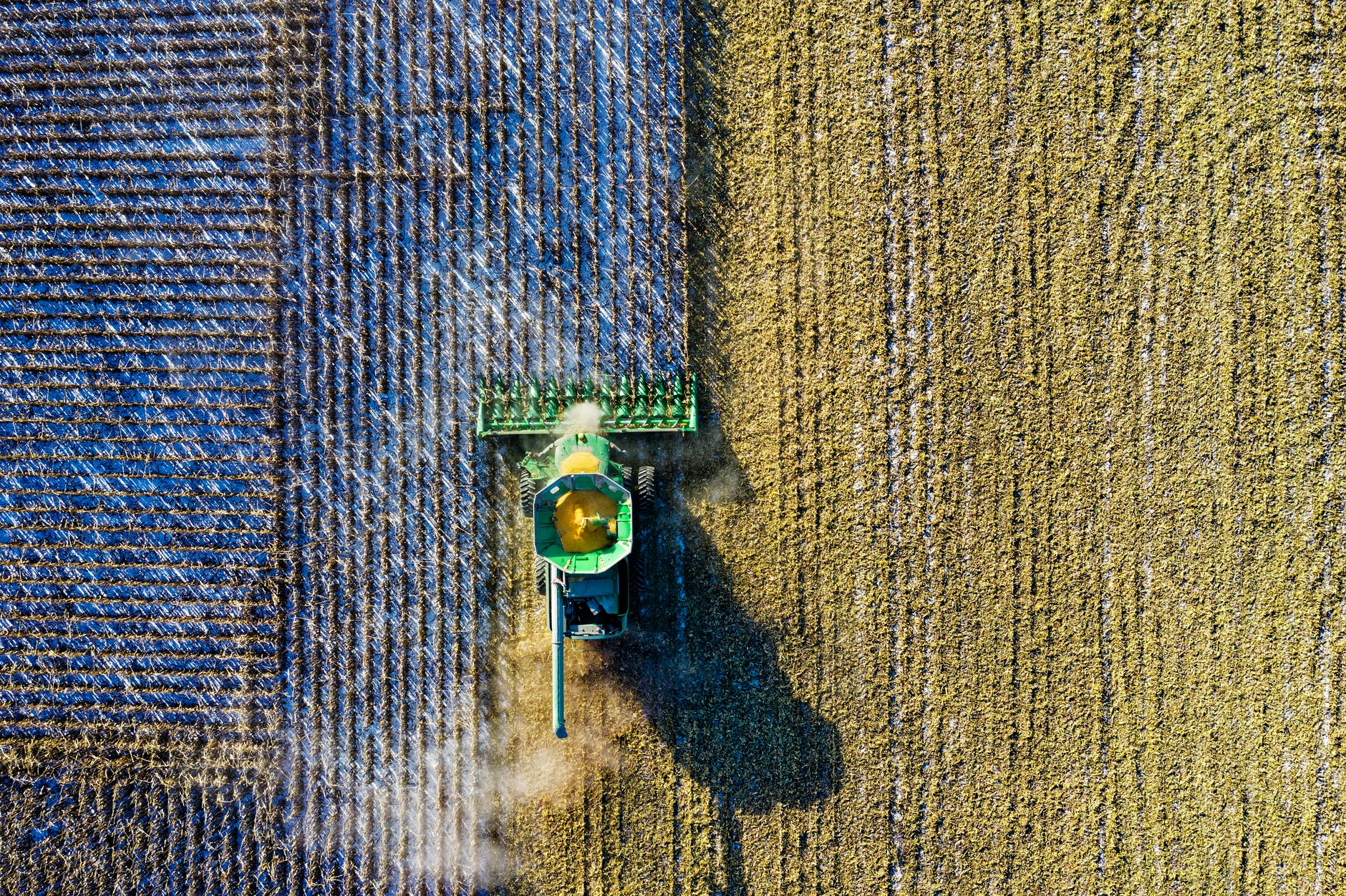
Fans of science — and I’m one — have to ask, though: Which science? About what? Scientific findings apply only to the questions being asked. How important those scientific findings are depends on values and judgements. You can have well-grounded scientific findings, but they might not be all that important or relevant to the problem you’re trying to address. If your concern about GMOs is, like mine, impact on small producers, local varieties, and collateral environmental damages from herbicides, the science saying eating GMOs doesn’t make people sick, while good to know, isn’t all that relevant.
In Mexico, a civilian-led anti-GMO lawsuit[2] stated, “GE [3] corn affects the human right to conservation, sustainable use, and fair and equitable sharing of the biological diversity of native corn.” The initial Presidential decree stated objectives of “contribute to food security and sovereignty” and protect “native corn, cornfields, bio-cultural wealth, farming communities, gastronomic heritage and the health of Mexicans.” Specifically, the decree cited sustainable development, biodiversity, agrochemical research, and agroecological practices — all science.
These sciences — the social, anthropological, environmental, and micro-economic — are obliterated by generalized cries of “not scientific!.” Simply saying “not based in science!” with no detail plays nicely into the trope of Mexico as backward, uneducated, less advanced. Paternalistically, the US implies Mexico is unable to understand the real issues and the real science. The ‘real’ science of the impact of human consumption of GMO corn is then used as cover and stand-in for all dimensions of concern. Complex, interacting systems are more difficult to research and sum up in tidy headlines. The easier pieces get narrowed, segmented out, and connections marginalized, or ignored.
Consuming GE corn may not cause disease in individuals, for example. But if GE corn imports undercut local corn so small producers of heritage crops can no longer make a living and have to quit farming and migrate north to work on US farms — is that an impact on human health?[4] If GE corn cross pollinates and contaminates local varieties, decreasing biodiversity and farmer choice?[5] If junk foods manufactured from cheap GMO corn products take over from fruit and vegetables? Well, that’s already happening. We have plenty of science showing those negative impacts on human health. How wide does “impact on human health” reach? Do claims that GMOs have no impact on human health cover this?
What of associated impacts? The Presidential decree also encompasses glyphosate, the herbicide typically used in conjunction with GE seeds[6]. Ever increasing amounts of science show negative impacts of glyphosate on human health, bee and other pollinator populations and habitats, and on marine invertebrates. Several countries have banned or restricted its use; the permit for using glyphosate in the EU is set to expire at the end of 2023. All this science was referenced in the decree. Glyphosate science, however, is walled off from catch-all claims about the “science of GMO safety,” especially since glyphosate talk generates yawns, compared to “GMOs don’t give you cancer!” And if that science was part of the science of GMO safety, well, claims of “safe!” would be hard to sustain. No science has labeled glyphosate safe for the environment, including bees, insect life, and habitat.
To some extent, AMLO brought the “not based on science” criticism upon himself. Though the decree encompassed social, environmental, and cultural concerns, his response to threats from the US over trade pact violations zeroed in on health. “If Mexico has to decide between trade and health, Mexico will opt for health.” This may have been strategic. Trade treaty language creates wiggle room around dangers to human health. Perhaps he was using health in its broadest sense. Or maybe he was reaching for a simple concept people could relate to easily.
Science: big-ag fig leaf?
Cries of “not scientific” gloss over the complexities, perhaps because this passion for science, from many of the same people who deny climate change, is really structured around the economic interests of big ag. Economic arguments are often deployed against environmental ones — the tensions and tradeoffs are real and difficult — but then, whose economics?
US farm lobbies say the ban will cause billions of dollars of damages — over 90% of US corn is GMO, and Mexico is one of the US’s biggest customers. Both countries’ big growers raise fears for the supply chain and food prices. The National Agricultural Council of Mexico [7] says the ban puts farmers at a disadvantage compared to corn farmers in the United States, and a ban on glyphosate could cause agricultural production to fall by up to 45%. AMLO counters by aiming to create a growing market for non-GMO corn (which some US producers would welcome), while also launching programs to support small and medium-sized farms. That is, trying to create a balance by also factoring in economics on the smaller scale, environmental protection, and principles of sovereignty and import substitution. Then he muddied it all, getting on very mushy scientific ground by almost any standard, by distinguishing between importing GMO corn for human consumption (no, bad) and corn for livestock feed (ok — maybe?). That point is on the table for January 2023 discussions between Mexico and the US ag interests.[8]
What gets priority in policy-setting? Local and national economic development, poverty reduction, cheap animal products, food sovereignty and sustainability, environment, nutrition, trade politics, import replacement, rural development? Prime Minister Indira Gandhi connected economic development and environmental protection during the 1972 Stockholm Conference. She made the point that poverty and need are the greatest polluters, therefore the environment cannot be improved in conditions of poverty. Neither could poverty be eradicated without the use of science and technology — science and technology deployed to alleviate poverty, that is.
Resolving tensions and finding balances are part of the hard work of democracies. Science is a critically important tool. But we need to be critical, as well. When we hear “scientifically based,” ask which science, by and for whom, toward what end.
Buy local! What’s the science?
Science, and which priorities top what, came into focus recently around the “buy local!” rallying cry. Being a big proponent of local — in both where you buy and where it comes from — I tuned right in to Food Print’s latest What You’re Eating podcast (great series): Keeping it Local: Avoiding Big Box Stores. At the same time, I came across this, from Our World in Data: You want to reduce the carbon footprint of your food? Focus on what you eat, not whether your food is local.
Check them out, then come back for my next blog post.
[1] See for example, comments by US Agriculture Secretary Tom Vilsack, Collin Watters, director of exports and logistics for the Illinois Corn Marketing Board and the Illinois Corn Growers Association, Jaime Casteneda, US Dairy Export Council, letter to President Biden letter signed by 24 members of Congress, headed by Republican Representative Adrian Smith of Nebraska and Democrat Daniel Kildee of Michigan. https://www.agri-pulse.com/articles/18586-us-corn-growers-say-no-to-mexicos-gmo-deal
[3] GE: genetically engineered, same usage as GMO: genetically modified organisms
[4] https://thecounter.org/mexico-phaseout-glyphosate-genetically-engineered-corn-united-states/
[5] Navarro, Carlos. “Study Finds High Levels of Genetically Altered Organisms in Mexican Tortillas.” (2017). https://digitalrepository.unm.edu/sourcemex/6384
[6] Glyphosate is the active ingredient in Roundup, an herbicide made by Bayer/Monsanto. Along with developing Roundup, the company genetically engineered corn so that the seed would withstand application of Roundup. This way, weeds are killed, but not the corn. This GE seed trait is patented — Roundup Ready corn. Farmers who grow it are prohibited from saving seed to replant the following year, a practice traditionally important for small producers’ sustainability and resilience. Growers of GMO corn must buy the seed each year; not surprisingly, seed prices have gone up steadily and substantially. A key concern is that the genetic trait of glyphosate resistance, and other traits, will spread into native varieties of corn.
[7] Laura Tamayo, spokeswoman for CNS, is also a regional director for the German multinational Bayer, makers of the herbicide Roundup – whose active ingredient is glyphosate – as well as “Roundup Ready” GMO corn seed.
[8] January 9, 2023: No compromise with Mexico on biotech corn ban. There aren’t any compromises that the Biden administration is willing to make when it comes to Mexico’s effort to curtail its imports of genetically modified corn from the U.S., says Agriculture Secretary Tom Vilsack.

 Uprooted
Leave a comment