How “backward” is Mexico’s pushback against the ‘scientific consensus’ that the US claims?
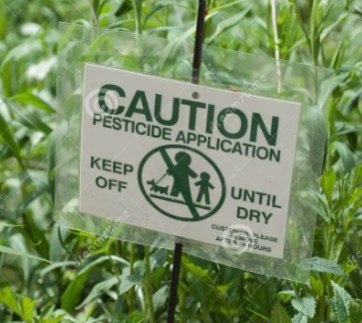

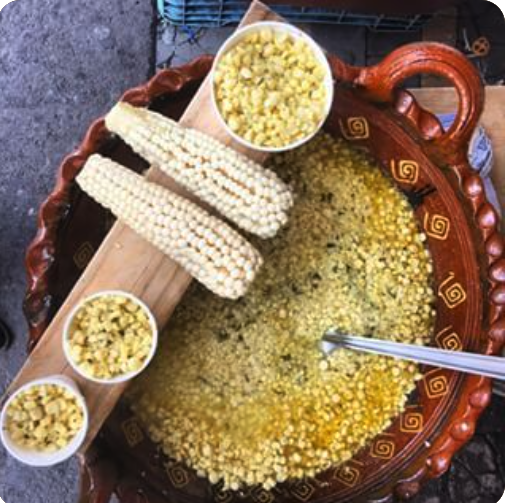
The US is ramping up it’s almost-formalized trade war with Mexico over Mexico’s evolving ban on GM corn for human consumption, ban on the use of glyphosate herbicide, and rejection of various types of bio-engineered seeds. The US position is that the science is clear that these products are safe. Mexico isn’t so sure, especially concerning environmental, cultural, and social-economic impacts. This is not only a matter of looking at and prioritizing different areas of science. It is also approaching the data, much of it generated by chemical companies and associates, with perhaps not so much as skepticism, but at least with caution. Recent revelations about Syngenta manipulating the science around paraquat’s safety suggest Mexico’s precautionary stance is well grounded.
“Internal documents from chemical giant Syngenta reveal tactics to sponsor sympathetic scientific papers and mislead regulators about unfavorable research,” states a new report from The Guardian. “…Syngenta was aware of problems with Paraquat decades before the health risks were made public, and made a concerted effort to keep those alleged health risks hidden, including attempts to prevent scientists critical of the herbicide from landing advisory committee roles with the U.S. Environmental Protection Agency (EPA), which renewed Paraquat’s approval as an herbicide in 2021.”
Syngenta shaped the science about paraquat by funding, directly and indirectly, favorable scientific studies and supportive scientists outside the company, while hiding their own unfavorable research. They hired lawyers to edit scientific papers to minimize liability and downplay negative findings, and created a SWAT team to quickly respond when negative research came out by presenting counter science. At the same time, they kept scientists critical of paraquat out of influential government or regulatory positions. The goal was to “…create an international scientific consensus against the hypothesis that paraquat is a risk factor for Parkinson’s disease,” the documents state. And to keep it approved for use by the EPA, maintaining Syngenta’s “freedom to sell” the chemical.
In it’s trade dispute with Mexico over GM corn and glyphosate, the US claims ‘scientific consensus‘ on the safety of its products, but chemical companies have had a role in forming that supposed consensus. Bayer (Monsanto), for example, was found to have ghostwritten scientific studies about glyphosate, the active ingredient in its Roundup herbicide.
“Science matters,” says Thomas McGarrity, former EPA legal advisor and co-author of the 2008 book Bending Science: How Special Interests Corrupt Public Health Research. “We have to be able to depend on science. When it is perverted, when it is manipulated, then we get bad results. And one result is that pesticides that cause terrible things like Parkinson’s remain on the market.”
Or that, like glyphosate, they get integrated into a nation’s lifeblood and food system.
Mexico has good reason — backed by good science — to remain vigilant.
 Uprooted